Lead with their members. Win with their model.
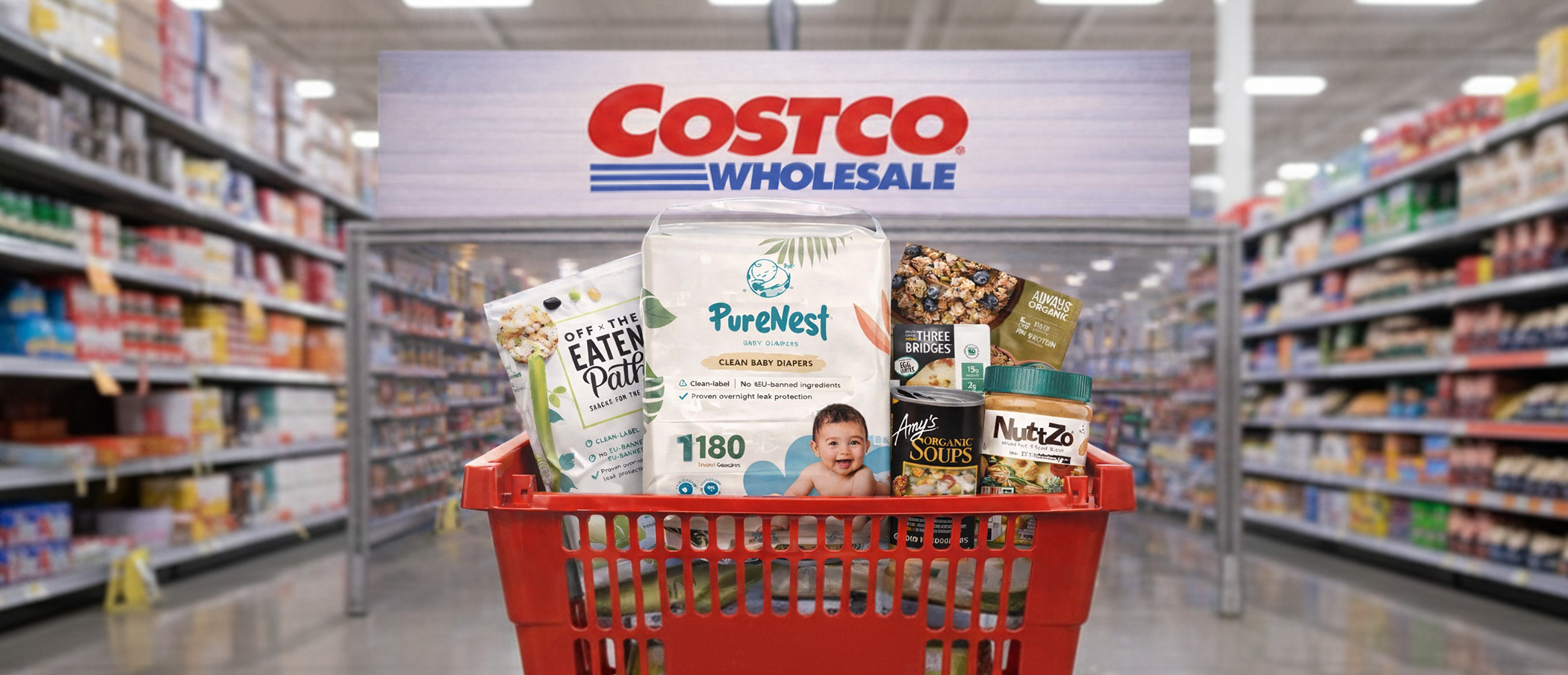
Many of our CPG clients tell us the same thing: selling into Costco feels different from selling into other retailers.

That’s because it is, and it’s worth understanding why.

Costco doesn’t evaluate items through traditional category-first logic. It doesn’t respond particularly well to brand ambition, long feature narratives, or clever positioning. More often than not, its decision-making comes back to two questions:

  • Is this item better for our members than what we carry today?
  • Does it align with the Costco business model?

Over the past year, we’ve worked with several CPG sales teams as they prepared for Costco buyer meetings. What follows reflects patterns we’ve seen come up consistently across those engagements. The slide examples are deliberately hypothetical, but the thinking behind them is drawn from real situations.

One note before we get into the slides: this article is really about the thinking behind them, not the slides themselves. How you structure a presentation tends to reflect how you’ve structured your argument, and that’s what ultimately shapes the quality of the conversation with the buyer.

The Before: (A Familiar Starting Point)

This slide is familiar because it’s the default. Most CPG teams have built a version of it, and to be clear, the information here isn’t wrong. Costco does need rates and dates, pack architecture, and supply details.

The issue is emphasis. Slides like this are built to answer one question: “What is this product?”

Costco, however, is working through a broader set of questions, and those questions often aren’t answered anywhere on the slide.

The After: Same Product, Different Logic

Same product. Same facts. Very different conversation.

The “after” slide isn’t more information. It’s a different logic. It starts from what Costco is trying to solve for, and works backward to the product. Below are the core shifts that drove it, and one way to think about applying them.

1. Lead With the Value Proposition, Not the SKU

The “after” slide no longer opens with the product name. It opens with the reason the item belongs in Costco’s assortment.

In this example, the headline frames a specific gap: a clean-label diaper option that doesn’t compromise on performance. That’s a merchant-relevant starting point. It tells the buyer, from the first line, what decision this slide is helping them make.

The goal isn’t clever wording. It’s clarity. Being explicit about the why before the what. In our experience, that single shift tends to change how the entire conversation gets received.

2. Ground the Case in Consumer (Member) Behavior

The slide then connects the opportunity to something observable happening in the market: what consumers are actually doing, and where current options are falling short.

In this example: parents are increasingly prioritizing clean ingredients, but they’re unwilling to trade off performance to get them.

Most clean-label options underdeliver on leakage and overnight protection. That tension creates a real gap in the existing assortment.

The intent here isn’t to convince Costco to “care about shoppers.” They already do, deeply. It’s to show that the recommendation is grounded in real, observable consumer behavior that affects how their members make purchase decisions. There’s a meaningful difference between generic trend language and a clear articulation of where current options fall short. The latter tends to resonate.

3. Present the Product as Proof, Not the Point

Rates, dates, pack sizes, and logistics are still present on the “after” slide. Costco needs that information.

What changes is their role. Those details support the case rather than lead it. The product becomes evidence that the proposed solution is viable, scalable, and operationally sound, not the primary justification for why it should be on shelf.

The product is proof that you can deliver on the promise. The promise comes first.

4. Make the Costco Case Explicit

The most important section on the “after” slide is labeled “Why It Works at Costco.” This is where the decision logic lives.

Rather than leaving the buyer to connect the dots themselves, the slide spells it out:

  • How the item fits Costco’s member profile
  • Why it is incremental rather than cannibalistic
  • How it aligns with Costco’s quality and value standards
  • Why it deserves space relative to what exists today

Nothing is left for the buyer to infer. The slide, supported by the presenter’s voiceover, does the connective work that merchants would otherwise need to do themselves. In our experience, buyers appreciate when that work has already been done for them.

The Broader Takeaway for CPG Teams

This example uses diapers, but the underlying principle applies across categories, and various retailer-facing situations (line review, an innovation summit, or a top-to-top). 

The most common challenge we see isn’t weak ideas or insufficient data. It’s starting from a more self-serving place.

Many teams begin with: “Here’s what we’re launching.”

The meetings that tend to go further often start from: “Here’s a shopper problem worth solving.” And then: “Here’s why solving it makes your business better.” (Yes, it has to also work for your own business, and we’re assuming that homework is already done)

That shift changes the nature of the conversation. It moves the meeting from a pitch the buyer has to evaluate to a decision they can actually make.

Every situation is different, and there’s no single template that works everywhere. The most effective teams we work with know when to use this structure and when to adapt it. But in our experience, leading with the member and the merchant, rather than the product, tends to give teams a much stronger foundation to build from.

Learn More About OUTKREATE's Sales, CatMan & Insights Solutions

OUTKREATE developes retailer-facing presentations for top CPG Cat Man & Insights teams, equipping them for success — be it Top to Tops, Innovation Selling Stories, Line Reviews & JBPs, and more.

Thinking of UPGRADING your Retailer-facing Presentation? 
TALK THROUGH YOUR PRESENTATION CHALLENGE


How does your Presentation measure up?

Do you have a major event or a high-stakes meeting coming up? Do you need a sharp narrative and bold design?

Let's connect and we can take a closer look at your presentations. We'll share with you actionable ideas along with real examples that you can apply to improve odds of success.

Book an introductory call